Plan your visit to Crocoparc Agadir | Timings, location & more

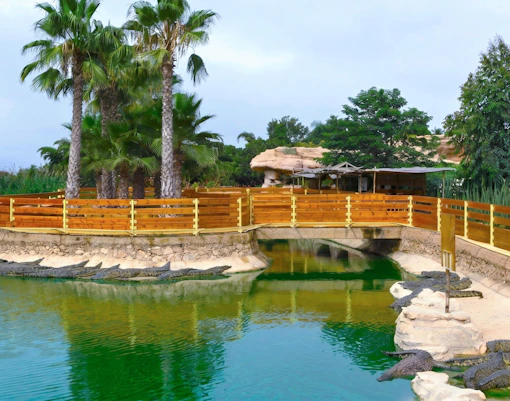
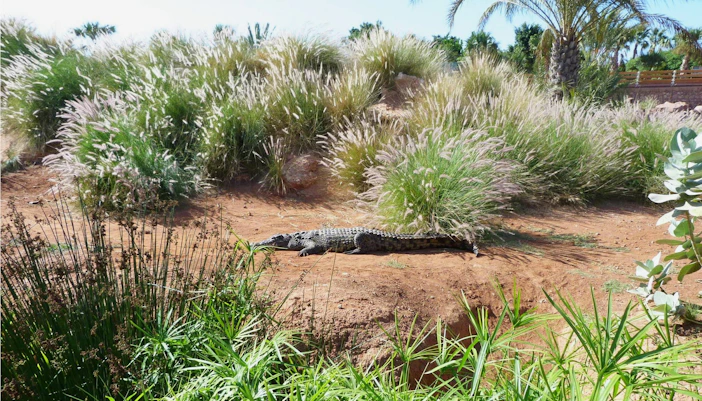
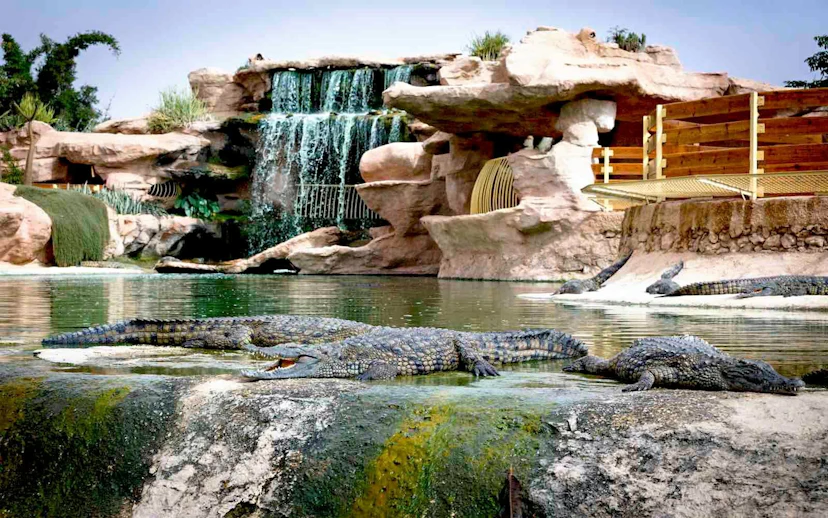
Crocoparc Agadir is one of Morocco's most unique wildlife attractions, combining hundreds of Nile crocodiles with beautifully landscaped botanical gardens, waterfalls, exotic plants, and family-friendly exhibits. Located just outside Agadir in Drarga, the park offers a relaxing blend of wildlife encounters and nature walks. Most visitors spend between 2 and 4 hours exploring the crocodile lagoons, themed gardens, reptile exhibits, and educational displays.

Crocoparc Agadir at a glance

  • Hours: Daily, 10am–6pm (may vary seasonally)
  • Closed: Open year-round except for occasional maintenance closures
  • Getting in: Entry tickets available online and at the entrance; guided visits and transfer-inclusive tours are also available
  • How long to allow: 2–4 hours for most visitors
  • When to go: Early morning or late afternoon for cooler temperatures and fewer crowds
  • What most people miss: The themed botanical gardens are often overlooked by visitors focused solely on the crocodile exhibits
  • Is a guide worth it? Yes. Guided visits provide deeper insights into crocodile behaviour, breeding programmes, conservation efforts, and the park's botanical collections

Where and when to go

How do you get to Crocoparc Agadir?

Address: RN8, Drarga, Agadir, Morocco. Find on Maps.

Crocoparc is located approximately 15km east of central Agadir, making it an easy half-day excursion from the city.

By taxi: The simplest option from Agadir hotels and resorts.

By tour transfer: Many organised tours include round-trip hotel transfers.

By bus: Local buses connect Agadir with Drarga, followed by a short walk or taxi ride.

By car: Follow the RN8 towards Drarga. Free parking is available on-site.
Which entrance should you use?

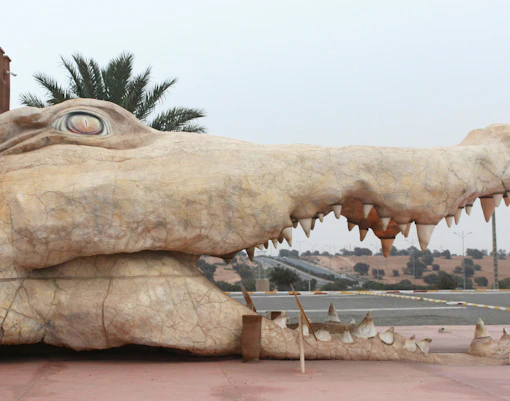
The park has a single main visitor entrance providing access to the crocodile habitats, botanical gardens, restaurant, and visitor facilities.

Main entrance

  • Location: RN8, Drarga
  • Best for: All ticket holders and guided tour visitors
  • Expected wait: Usually short outside weekends and holiday periods

When is Crocoparc Agadir open?

  • Period: Year-round
  • Opening hours: Typically 10am–6pm daily
  • Last recommended entry: Around 4pm to allow enough time to explore comfortably

When is it busiest?

The park is busiest between late morning and mid-afternoon, particularly during school holidays, weekends, and peak tourist seasons.

When should you actually go?

Arriving shortly after opening offers cooler temperatures, quieter walkways, and excellent wildlife viewing opportunities. Late afternoons also tend to be more relaxed.

How much time do you need?

Visit typeRouteDurationWalking distanceWhat you get

Quick visit

Main crocodile lagoons → Botanical gardens

1.5–2 hours

1 km

Covers the park's biggest highlights

Balanced visit

Full park circuit → Gardens → Reptile exhibits

2–4 hours

2 km

Ideal experience with time for feeding sessions and photography

Extended visit

Full park + restaurant + nearby attractions

Half day

Varies

Enjoy a relaxed visit combined with other Agadir attractions

Which ticket is right for you?

Ticket typeWhat's includedBest for

Entry with transfers

Admission plus round-trip hotel transport

Visitors without a car

How do you get around Crocoparc Agadir?

Navigating Crocoparc

The park follows a simple circular route with clearly marked pathways connecting crocodile habitats, gardens, exhibits, and visitor facilities.

Zones

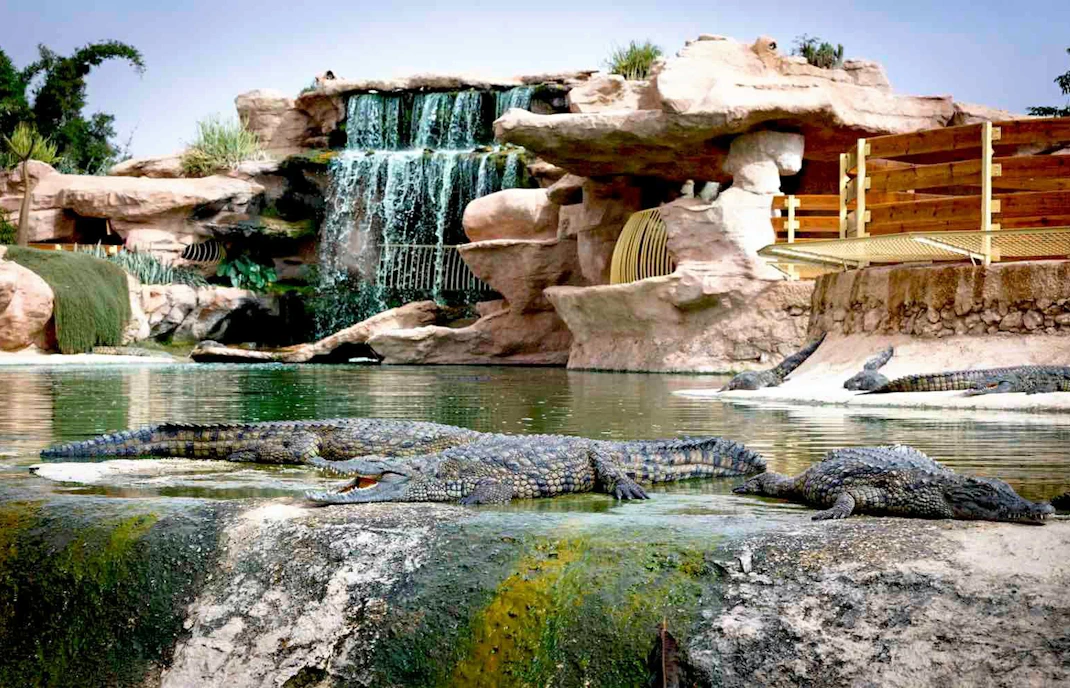
Nile Crocodile Lagoons: The park's main attraction, home to hundreds of crocodiles viewed from elevated walkways and observation points. Budget 45–60 minutes.

Botanical Gardens: A collection of tropical, aquatic, cactus, blue, and exotic gardens showcasing hundreds of plant species. Budget 30–45 minutes.

Snake Cave: Indoor reptile exhibits featuring snakes and educational displays. Budget 15–20 minutes.

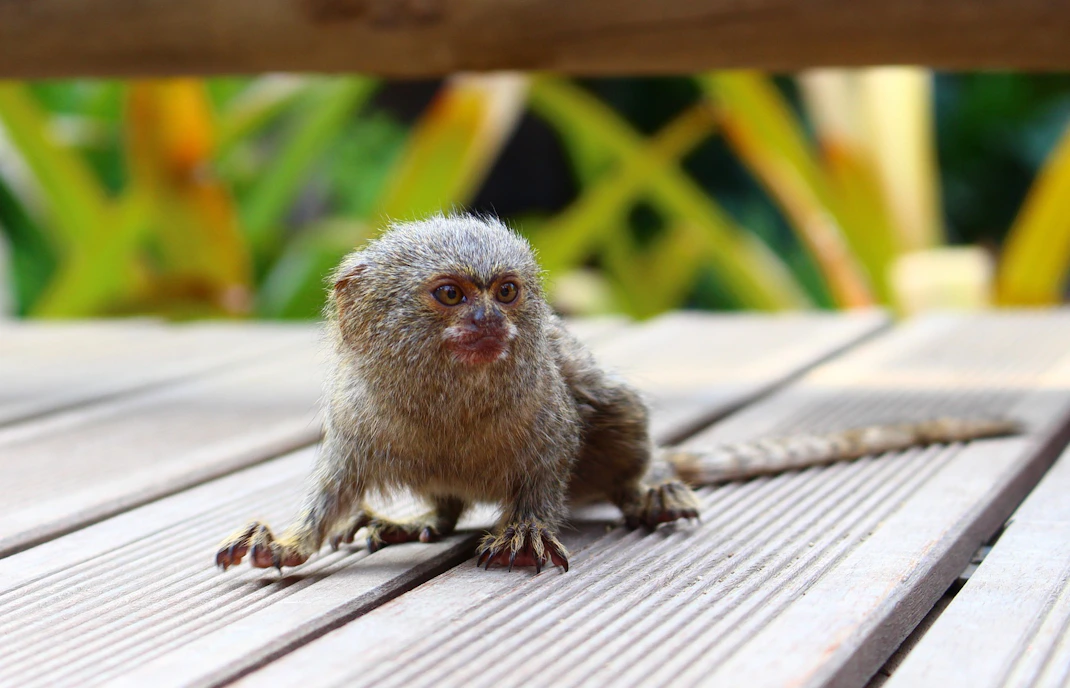
Marmoset House: A smaller exhibit featuring lively marmoset monkeys. Budget 10–15 minutes.

Desert Crocodile Guelta: A themed habitat inspired by desert ecosystems and crocodile environments. Budget 15–20 minutes.

Restaurant & Terrace: A convenient stop for refreshments and views over parts of the park. Budget 30–60 minutes.

Maps and navigation tools

Map: Visitor maps are available at the entrance, though the park is easy to navigate thanks to its circular layout.

Signage: Informative signs throughout the park explain crocodile biology, conservation efforts, and plant collections.

Feeding demonstrations: Daily feeding sessions provide the best opportunities to observe crocodiles actively swimming and hunting.

Garden pathways: Clearly marked routes guide visitors through each themed garden without requiring backtracking.

Educational exhibits: Interpretation boards throughout the park provide insights into crocodile habitats, behaviour, and conservation.

Which experiences should you prioritise?

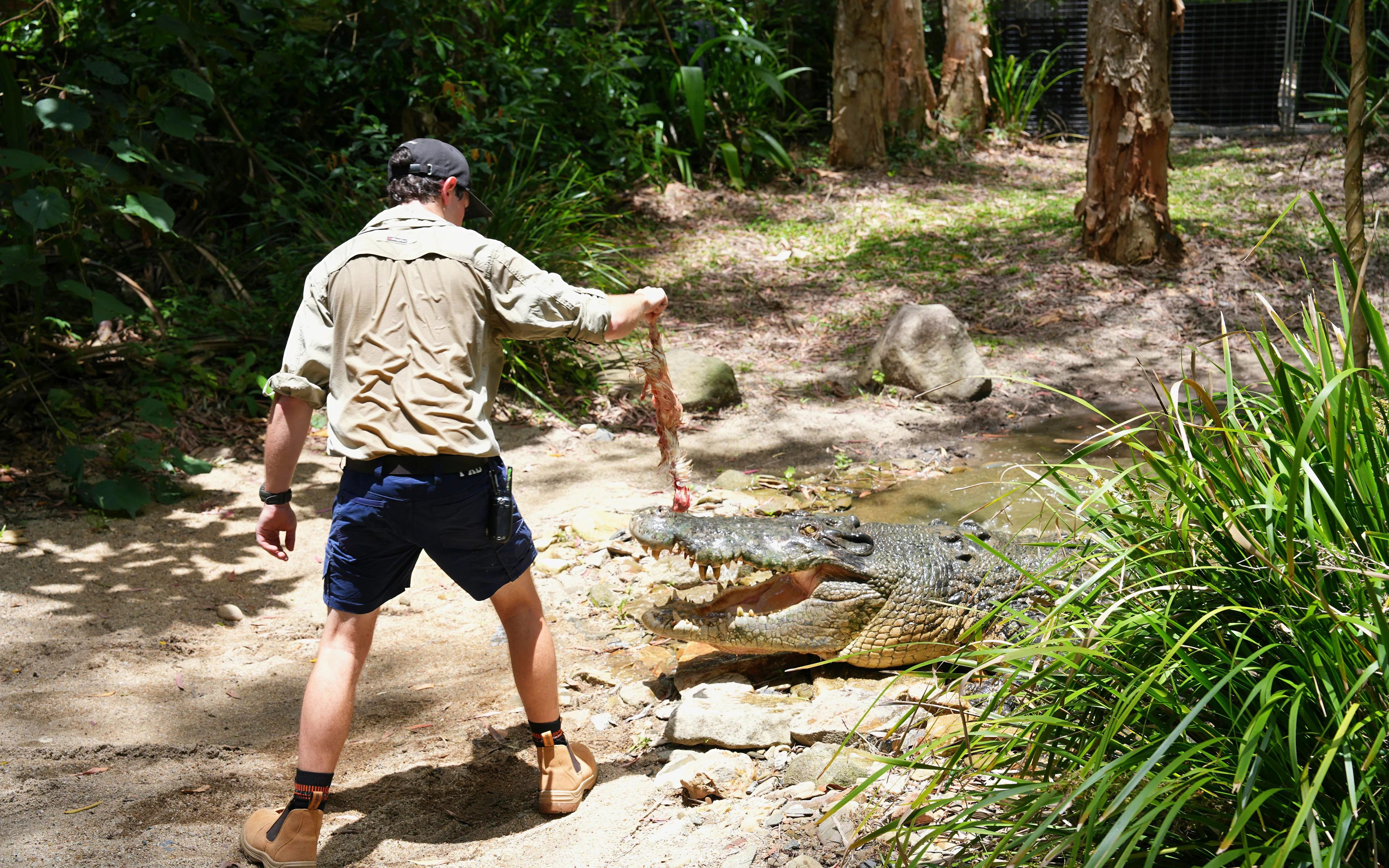
Handler feeding chicken to large crocodile in a wildlife park.
1/5

Nile crocodile feeding session

Watch hundreds of crocodiles become active during scheduled feeding demonstrations, one of the most exciting moments of any visit.

Crocodile observation platforms

Enjoy close-up views of massive Nile crocodiles from elevated viewing areas designed for photography and wildlife observation.

Botanical gardens

Explore five themed gardens filled with rare plants, giant cacti, palms, bamboo, lotus flowers, and exotic species.

Snake Cave

Discover fascinating reptiles through educational exhibits and secure viewing areas.

Giant's Chasm

Walk through one of the park's most visually striking landscaped zones featuring dramatic rock formations and water features.

Facilities and accessibility

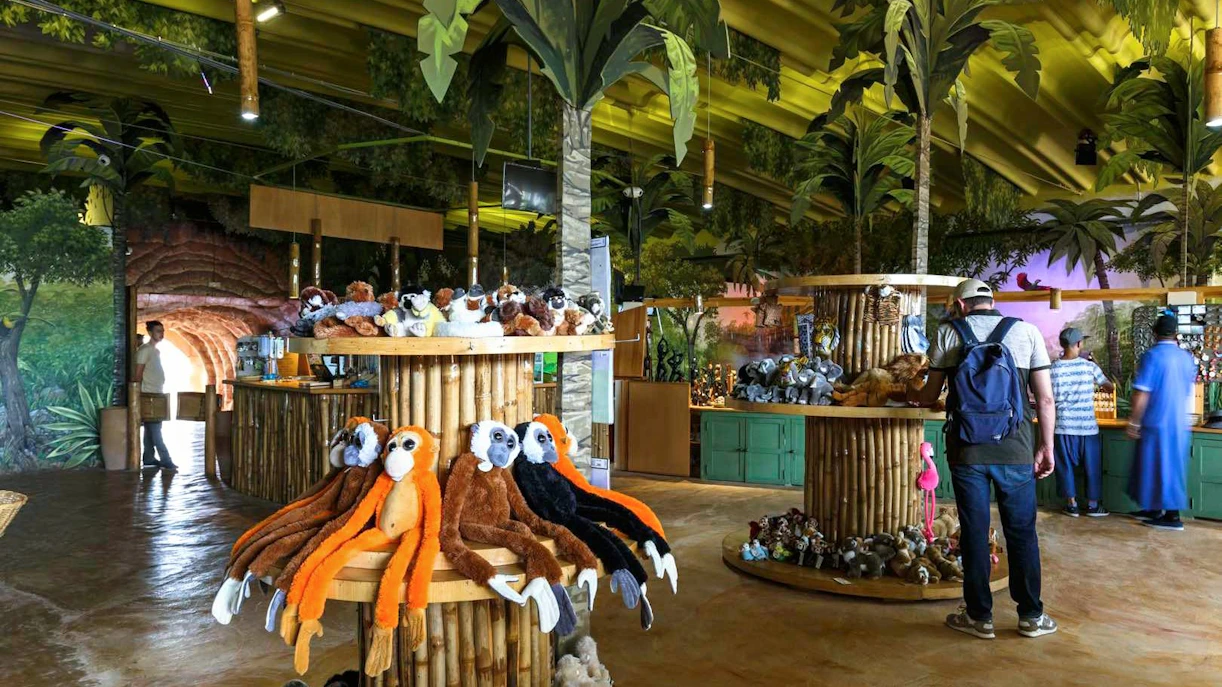
Stuffed animals display at Agadir Crocoparc gift shop.

🚻 Restrooms: Available throughout the park.

🍽️ Restaurant: On-site dining and refreshments.

🛍️ Gift shop: Souvenirs, local products, and themed merchandise.

🅿️ Parking: Free visitor parking available.

🌳 Gardens and seating areas: Numerous shaded rest stops.

📖 Educational exhibits: Information panels and learning displays.

👨‍🏫 Guided visits: Available through selected operators.

Woman with baby stroller in a park, checking phone.
  • Mobility: Most pathways are wide, paved, and suitable for wheelchairs and strollers.
  • Visual impairments: Educational signage and guided visits help provide additional context.
  • Families: The park is highly suitable for visitors with young children.

Rules and restrictions

What you need to know before you go

  • Entry requirements: Valid admission ticket required.
  • Photography: Personal photography is permitted.
  • Wildlife viewing: Remain behind designated barriers and viewing areas.
  • Children: Must be supervised by an adult.

Not allowed

❌ Feeding animals outside official demonstrations

❌ Climbing barriers or fences

❌ Disturbing wildlife

❌ Littering

❌ Smoking in restricted areas

❌ Bringing pets into the park

Practical tips

  • Visit during feeding times to see the crocodiles at their most active.
  • Wear comfortable walking shoes, as you'll spend much of your visit exploring outdoor pathways and gardens.
  • Bring sunscreen, sunglasses, and water, especially during warmer months.
  • Allow extra time to explore the botanical gardens, which are often just as impressive as the crocodile habitats.
  • Visit early in the day for cooler temperatures and fewer crowds.
  • Carry a camera or phone with plenty of storage space—the gardens and crocodile lagoons offer excellent photography opportunities.

What else is worth visiting nearby?

Commonly paired with Crocoparc

Agadir Medina

  • Distance: 15 minutes by car
  • Why people combine them: Explore a reconstructed traditional Moroccan medina filled with artisan workshops and architecture.

Agadir Cable

  • Car Distance: 20 minutes by car
  • Why people combine them: Enjoy panoramic views over Agadir and the coastline.

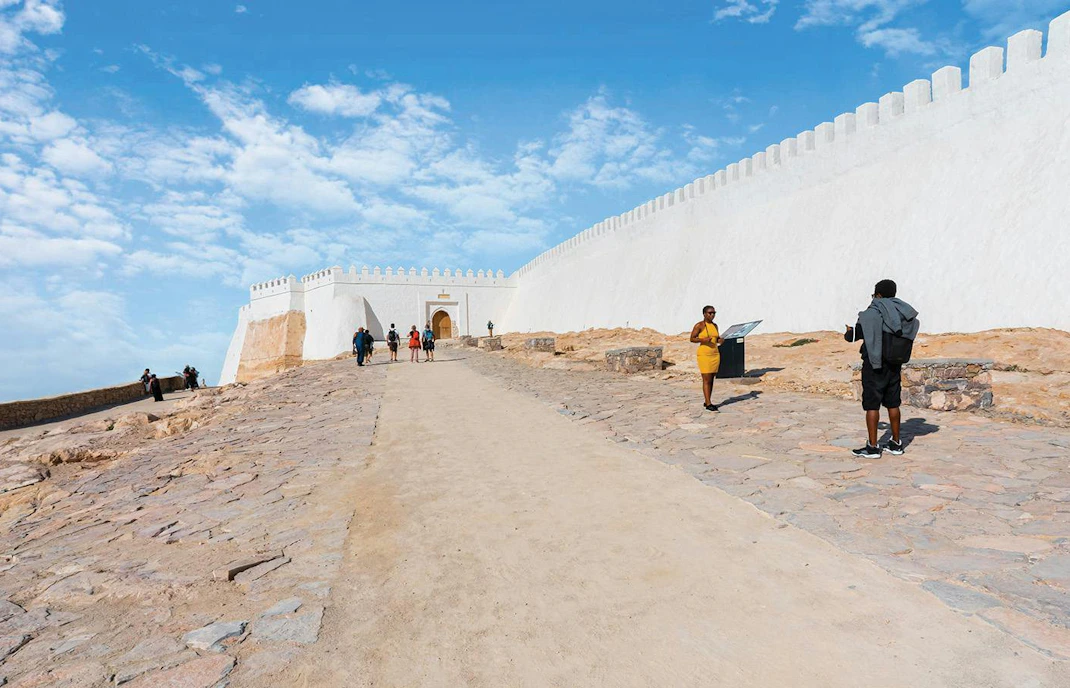
Agadir Oufella Kasbah

  • Distance: 25 minutes by car
  • Why people combine them: Visit one of Agadir's most famous viewpoints and historical landmarks.

Also nearby

Souk El Had

  • Distance: 15 minutes by car
  • Worth knowing: One of Morocco's largest traditional markets with thousands of stalls.

Agadir Beach

  • Distance: 20 minutes by car
  • Worth knowing: A long sandy beach ideal for relaxation, dining, and watersports.

Eat, shop and stay near Crocoparc Agadir

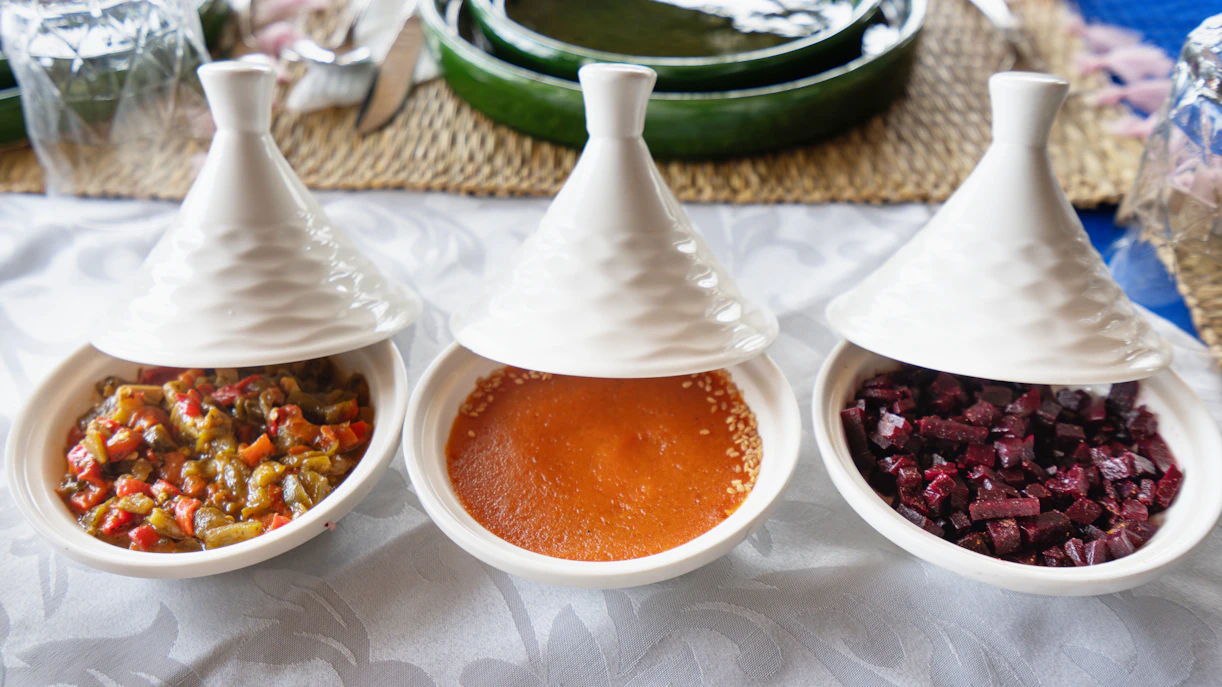
Traditional Moroccan tagines with vegetables and sauces, Morocco.

On-site: The restaurant offers meals, snacks, drinks, and terrace seating.

Better options nearby:

Pure Passion Restaurant

  • Cuisine: Seafood & international
  • Why go: Popular waterfront dining with ocean views.

Le Jardin d'Eau

  • Cuisine: Moroccan & international
  • Why go: Elegant setting and varied menu close to central Agadir.
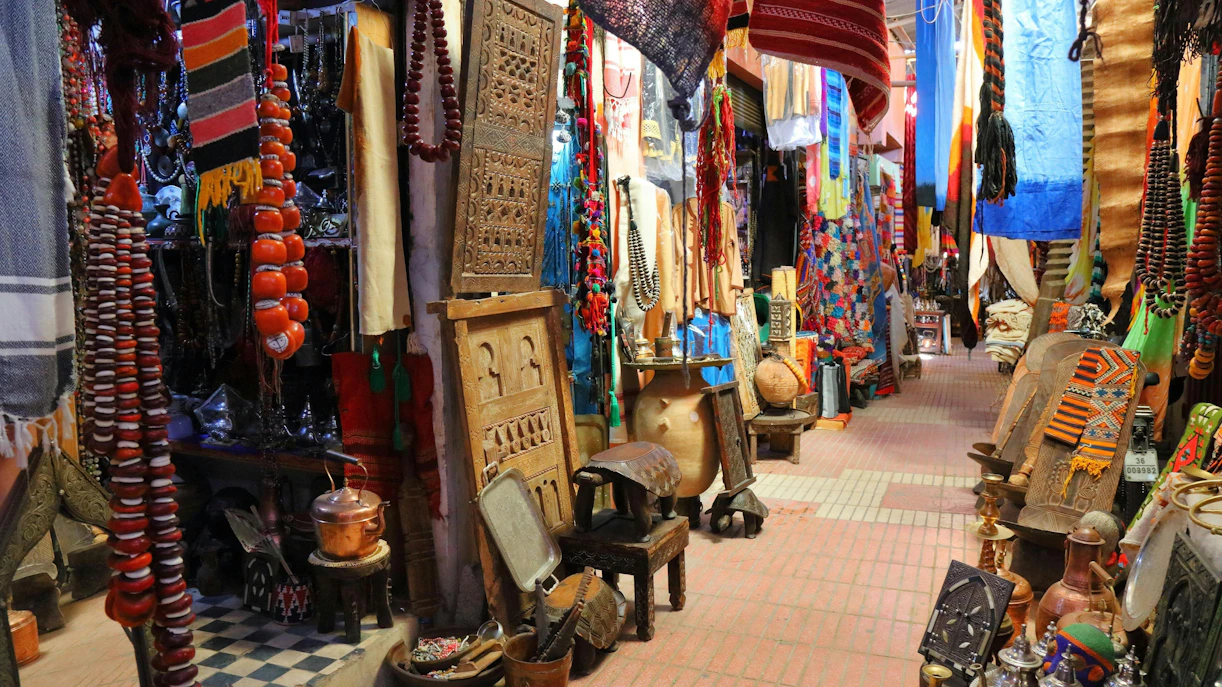
Taroudant marketplace in Morocco with colorful textiles, pottery, and traditional crafts.

Souk El Had

What to buy: Spices, handicrafts, leather goods, ceramics, and souvenirs.

Marina Agadir

What to buy: Fashion, gifts, and local products.

Person entering hotel room with suitcase, door hanger visible.

Agadir offers a wide range of beach resorts, family hotels, and boutique properties with easy access to Crocoparc and other attractions.

  • Price point: Budget to luxury
  • Best for: Families, nature lovers, and beach holidaymakers
  • Consider instead: Taghazout if you're prioritising surfing and a more laid-back coastal atmosphere

Frequently asked questions about visiting Crocoparc Agadir

Most visitors spend between 2 and 4 hours exploring the crocodile habitats, gardens, and exhibits.

Read More

About Agadir Crocoparc

Timings

Getting There